
About Rainbow Bridge Niagara Falls
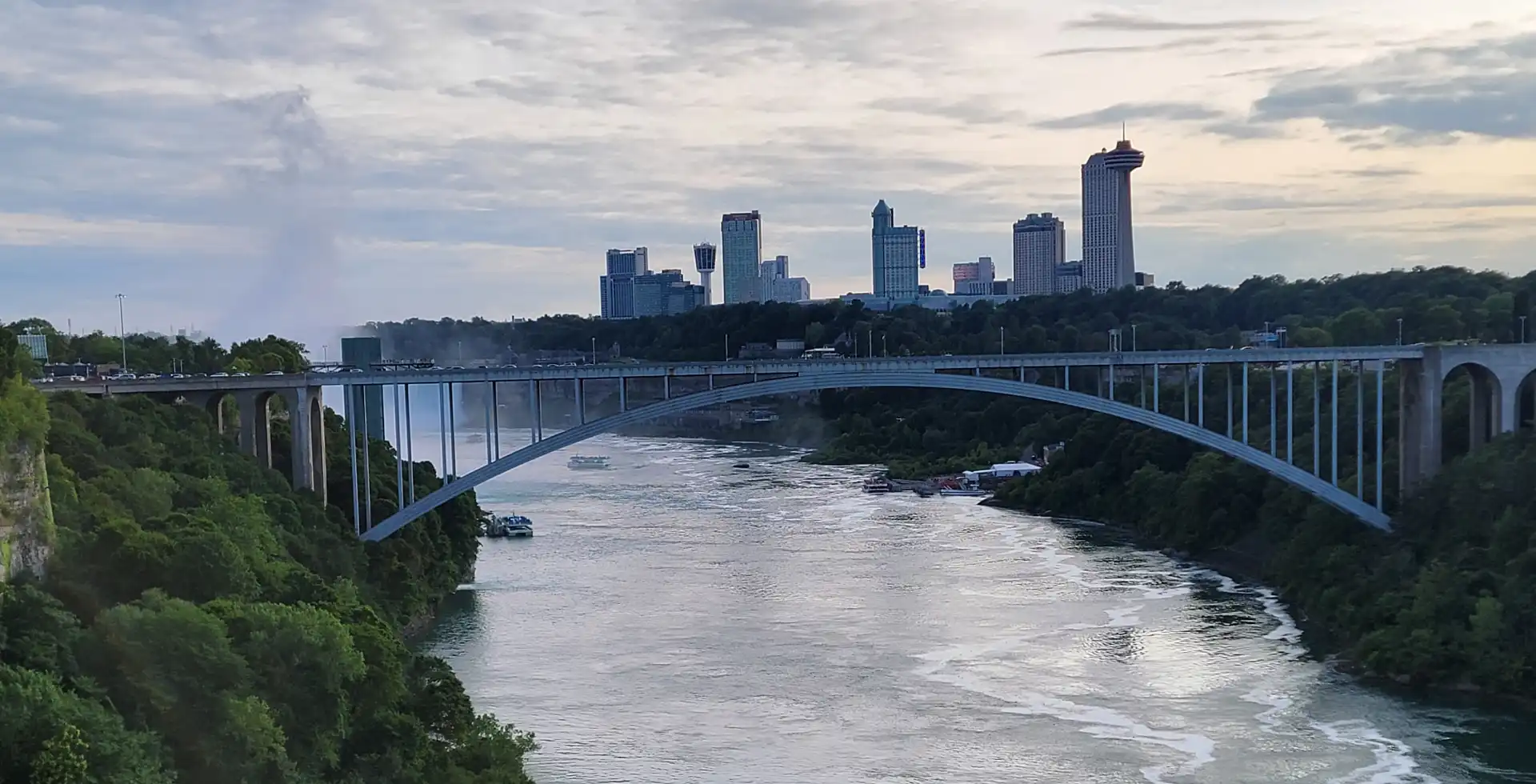
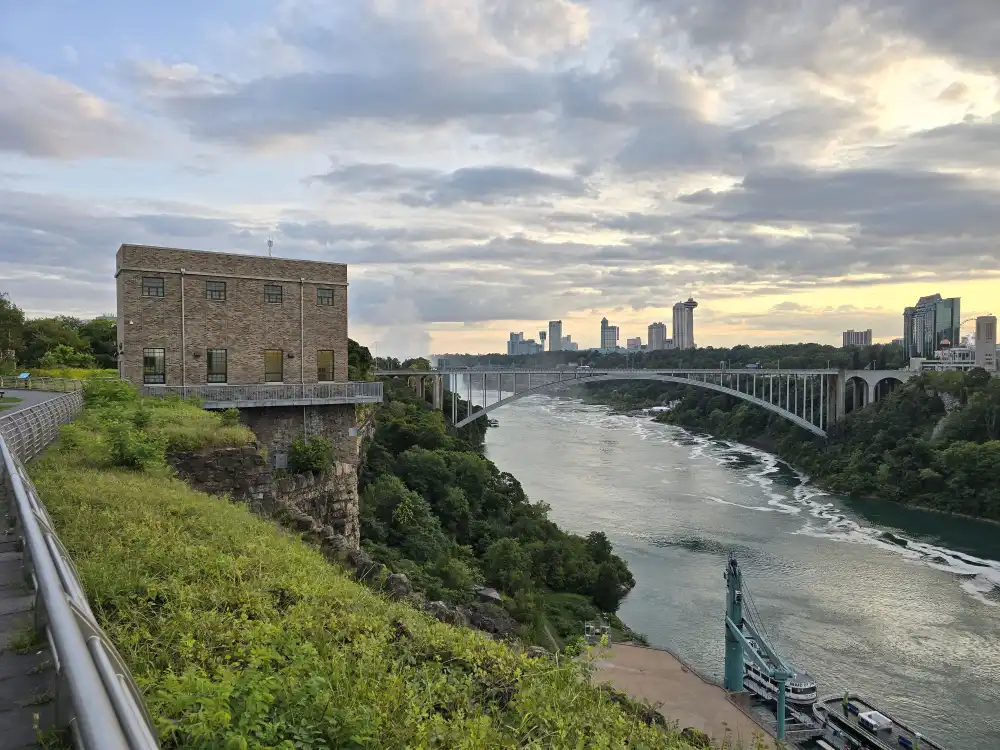
The Rainbow Bridge was completed in 1941, and its name was inspired by the vibrant rainbows that often form in the mist of Niagara Falls. Positioned just downriver from the falls themselves, the bridge offers breathtaking views of both the American and Horseshoe Falls, making it a favorite spot for photographers and sightseers.
Beyond its scenic allure, the bridge has played a crucial role in connecting the downtown areas of Niagara Falls, New York, and Niagara Falls, Ontario. Over the decades, it has become not just a transportation route but a cultural landmark, welcoming millions of travelers and symbolizing the peaceful and productive relationship between the U.S. and Canada.
History of Rainbow Bridge Niagara Falls
The Rainbow Bridge, a key international crossing between the United States and Canada at Niagara Falls, has a rich history that reflects both engineering achievement and the enduring relationship between the two neighboring nations. Officially opened on November 1, 1941, the bridge was constructed to replace the earlier Honeymoon Bridge, which tragically collapsed in 1938 due to ice buildup in the Niagara River. The new bridge was carefully designed to withstand the region’s harsh weather conditions and immense natural forces, with an elegant arch that spans 950 feet (290 meters) across the Niagara Gorge. Its construction was a collaborative effort between the Niagara Falls Bridge Commission and both countries, symbolizing a commitment to strengthening cross-border tourism and trade.